What a Rendering Can't Show You

The photograph is beautiful. Concrete catching low light, a courtyard empty and calm, not a single wrinkle in the composition. It's the kind of image that wins the render a place in a magazine spread before the building has held a single occupant.
Nobody in that photograph is opening a window because the room is too warm. Nobody is standing in a corner because the acoustics make conversation difficult anywhere else. The photograph was taken before any of that had the chance to happen, or it was taken to avoid showing it.
The profession gives enormous attention to what a building looks like on the day it's finished, and comparatively little to what it becomes once people actually live inside it.
A 2012 study published in Applied Energy found that non-domestic buildings frequently perform far worse than their design models predicted. The industry has a name for this now, the performance gap, precisely because it happens often enough to need one. Broader UK research puts numbers to it, actual carbon emissions from new buildings running as much as 2.5 to 3.8 times higher than the original design estimates.
Post-occupancy evaluation, the practice of returning to a building after people have lived in it and actually checking whether it works, remains uncommon across much of the profession. Buildings get designed, photographed, published. Then the profession moves to the next project.
Some traditions never separated these two moments in the first place. Recent research on Igala courtyard housing in North Central Nigeria describes a system where passive solar design, resource use, and social structure function as one integrated whole. Nothing about it is checked after the fact. It keeps being used, repaired, and adjusted, year after year, by the people living inside it.
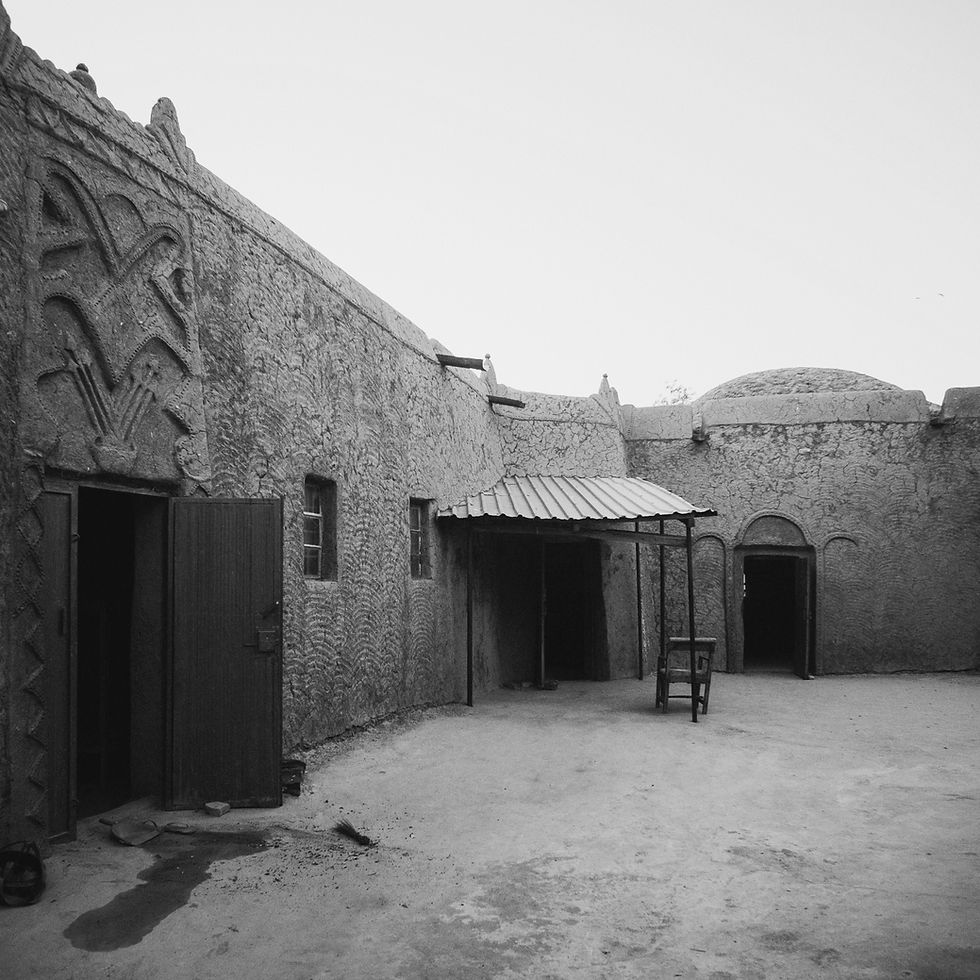
That's a genuinely different relationship to time than most contemporary buildings have. It's also easier to sustain in a single-family compound maintained by the family living there than in a forty-story office tower with a rotating tenant list and a facilities budget set by someone who has never set foot in it. The lesson isn't that modern buildings should adopt village-scale maintenance culture wholesale. The outcome, checking whether a building still works after people have actually lived in it, doesn't require replicating the entire structure that produced it. It only requires deciding the question matters as much after handover as it did on the day of the render.
The render was always the easiest part of the project. Architecture begins the day after.
Comments